


Evaluating intent data providers?
Here are some key considerations.
Intent data reveals when buyers (accounts and buying-group members) are actively researching topics across the internet, based on the content they consume. Topics can include products, solutions, competitors and more. GTM leaders (marketing, sales, data scientists) use intent data to prioritize in-market opportunities, identify prospects that are ready to buy, and align their messaging to what buyers actually need.
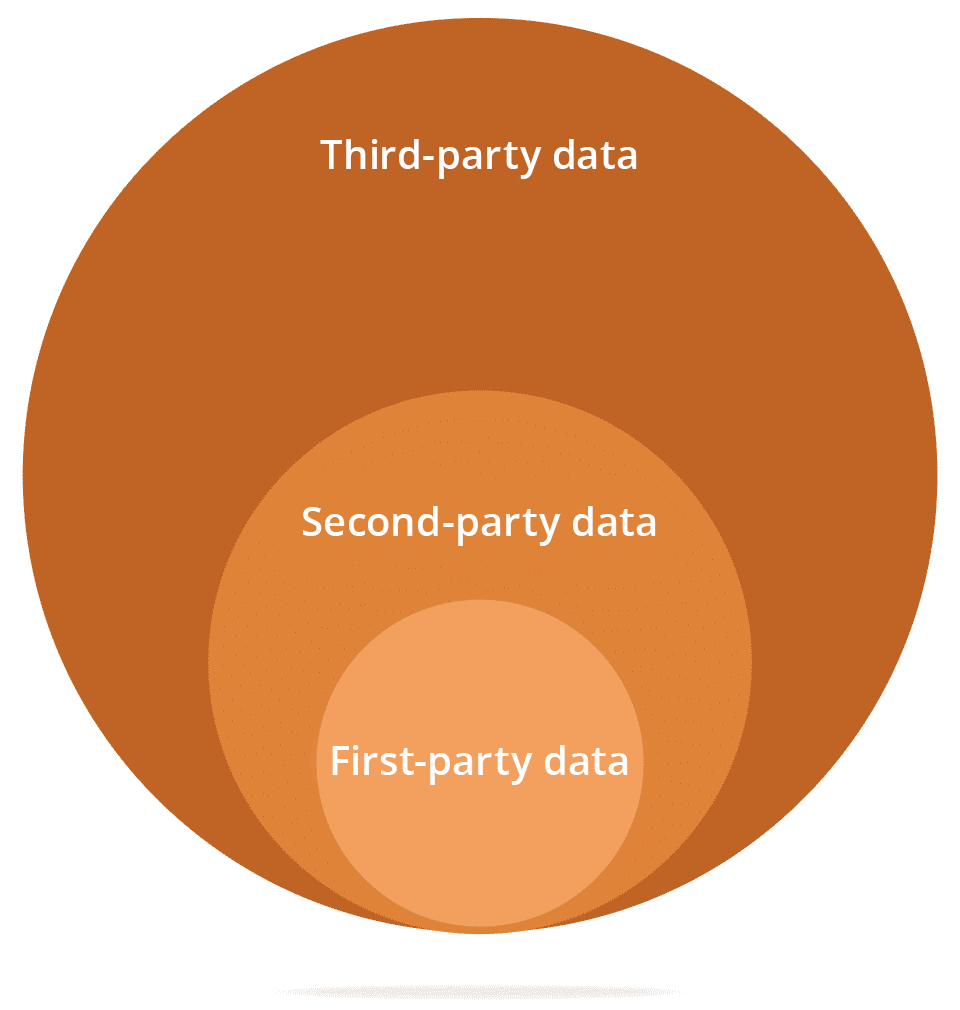
There are many different types of intent data derived from a variety of sources. Typically intent data is grouped into two types: first-party intent data and third-party intent data.The type of intent data used depends on the user’s goals and use cases. Many companies use a mix of first-party and third-party intent data.
First-party intent data is data signals collected from prospects and customers engaging with a company’s owned or paid experiences.
Types of first-party intent data:
Third-party intent data is purchased or licensed data signals collected from outside a company’s owned and paid experiences. Third-party intent expands a company’s visibility, revealing the research behavior of accounts and buying groups before they engage directly with their brand.
Types of third-party intent data:
What makes Bombora’s
Company Surge® Intent data unique?
Want to learn more about Intent data fundamentals? Check out our essential guide!
Prioritize and personalize account outreach to accelerate pipeline and close deals.
Align marketing campaigns, content, and event strategies with the actual research behavior of target accounts and buying group members to build quality pipeline.
Identify target companies and buying-group members actively researching specific solutions. Build digital audiences and customized creative to engage high Intent accounts and elevate campaign performance.
Align content strategy with audience research behavior and interests, and demonstrate the verified relevance of first-party audience segments to attract and retain high-value advertisers.


